
Impressum
Angaben gemäß § 5 DDG
Oliver Herbert
Berlin, Deutschland
Kontakt
E-Mail: contact@oliverherbertcello.com
Kontaktformular auf dieser Website
Verantwortlich für den Inhalt nach § 18 Abs. 2 MStV
Oliver Herbert
Angaben gemäß § 5 DDG
Oliver Herbert
Berlin, Deutschland
Kontakt
E-Mail: contact@oliverherbertcello.com
Kontaktformular auf dieser Website
Verantwortlich für den Inhalt nach § 18 Abs. 2 MStV
Oliver Herbert
This website collects as little as possible. Here is what happens when you visit.
Oliver Herbert, Berlin, contact@oliverherbertcello.com
The site is hosted by Netlify, Inc. To deliver pages and protect against misuse, Netlify processes technical data such as your IP address, the time of your visit, the page requested and your browser type. Legal basis: Art. 6(1)(f) GDPR. A data processing agreement is in place.
If you write through the form or by email, your name, email address and message are used only to answer you, and deleted once the conversation is over. Form messages are delivered through Netlify Forms. Legal basis: Art. 6(1)(b) and (f) GDPR.
Videos load only when you click one. Only then does your browser connect to YouTube (Google Ireland Limited) in its privacy-enhanced mode, which passes your IP address and browser details to Google. Legal basis: your consent by clicking, Art. 6(1)(a) GDPR.
All fonts are served from this website. No connection is made to Google Fonts or any other font service.
For the length of your visit, your browser remembers whether the opening animation has played. No cookies are set.
You can ask to see, correct or delete your data, restrict or object to its use, take it elsewhere, and withdraw consent at any time (Art. 15 to 21 GDPR). You can also complain to a data protection authority, for example the Berlin Commissioner for Data Protection and Freedom of Information.
Last updated: November 2026
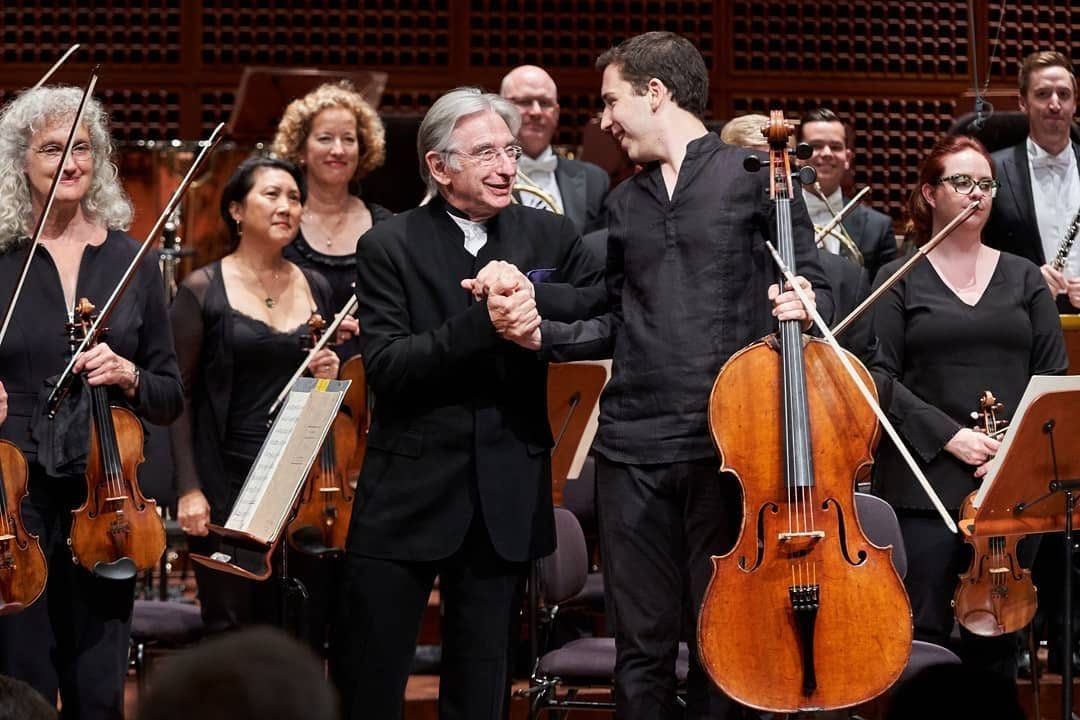
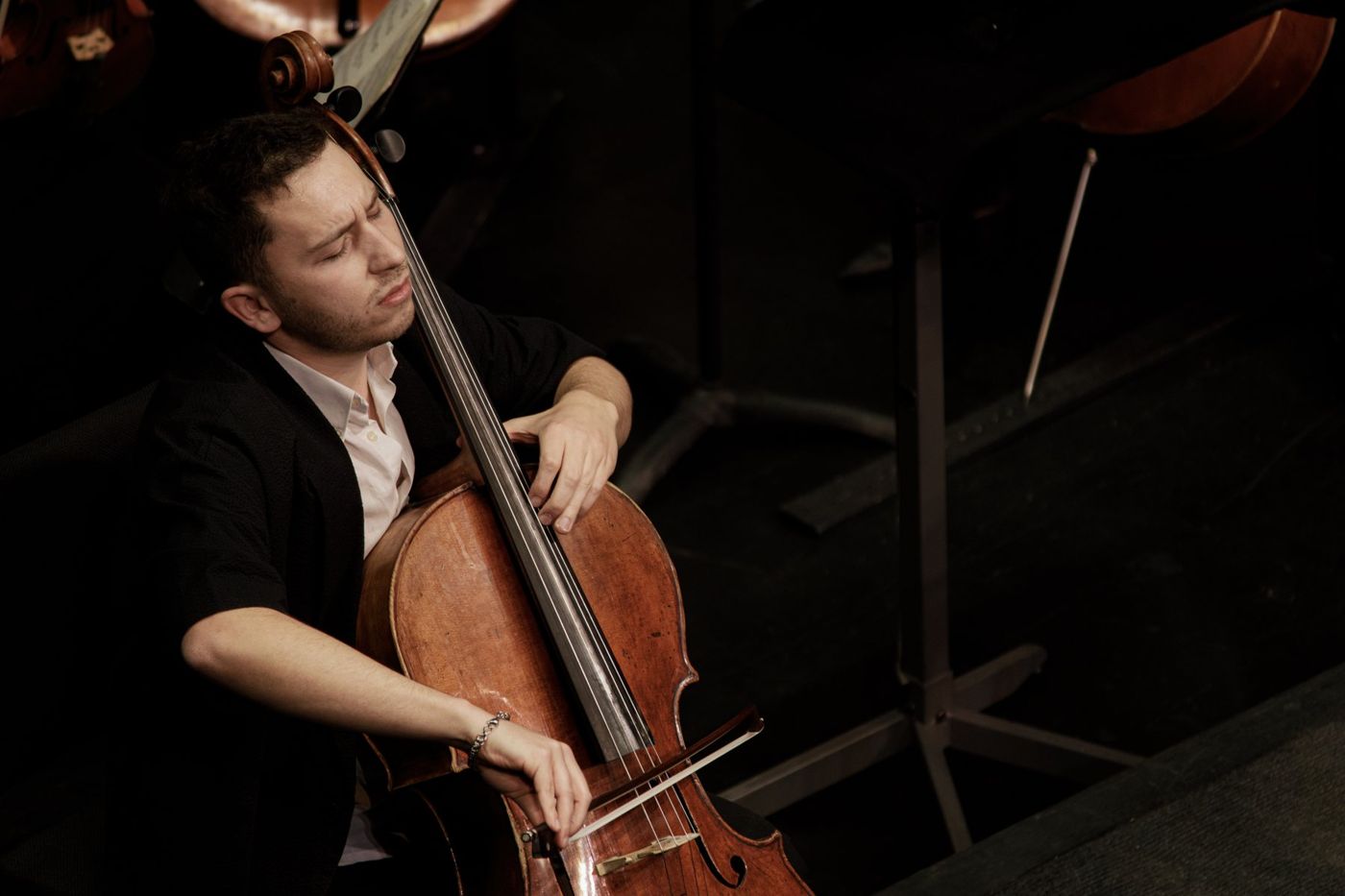
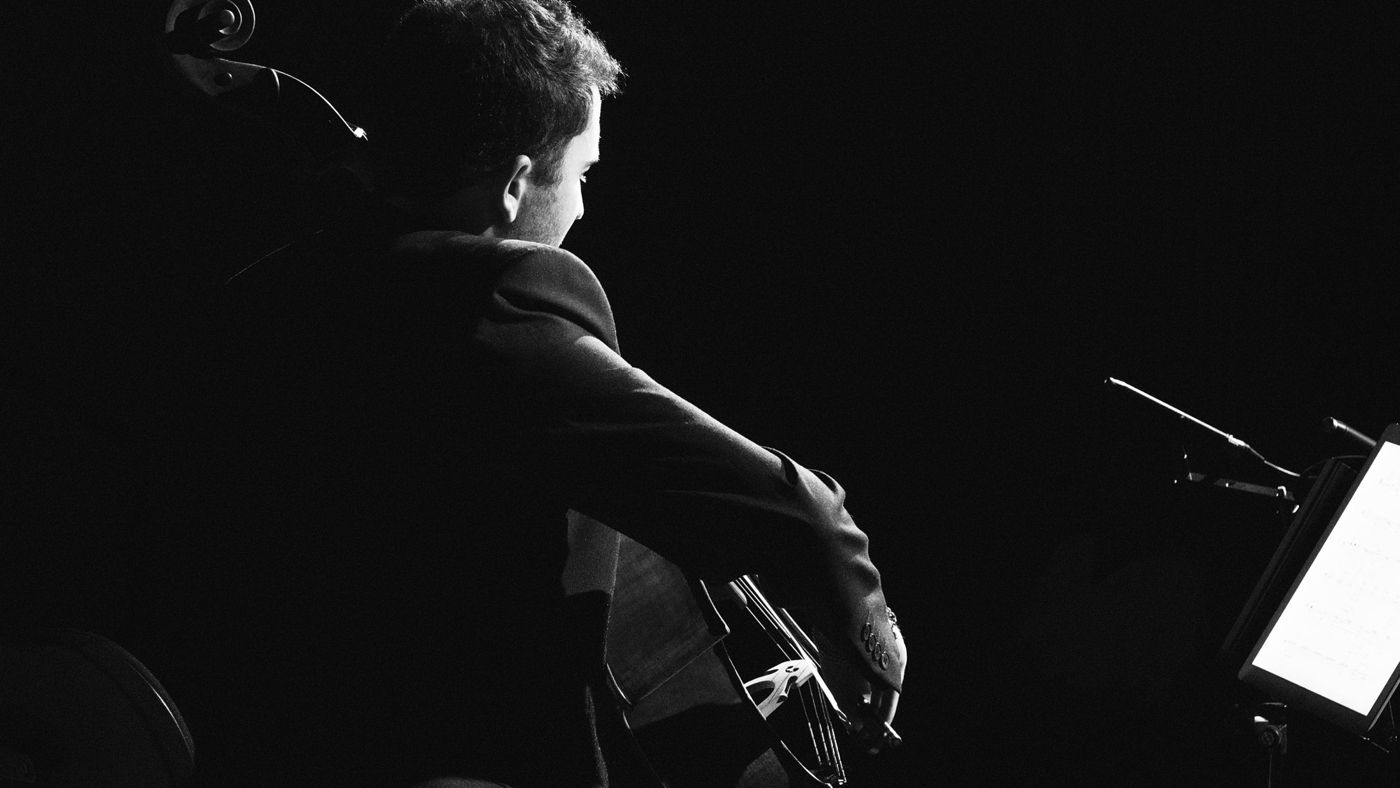
Oliver Herbert is a cellist who performs as a soloist, as a chamber musician, and in programs of his own. The recipient of a 2021 Avery Fisher Career Grant, he has appeared as soloist with orchestras including the San Francisco Symphony, Nashville Symphony, Buffalo Philharmonic, New World Symphony, Edmonton Symphony, and Colombia National Symphony, as well as the Warsaw Philharmonic, Mannheimer Philharmoniker, Württembergisches Kammerorchester Heilbronn, and Philharmonisches Orchester Erfurt. He has worked with conductors including Michael Tilson Thomas, Giancarlo Guerrero, Juanjo Mena, Alexander Prior, Teddy Abrams, Alexander Shelley, and Reinhard Goebel.
His concerto repertoire ranges from the standard works to less-played ones such as Schnittke’s First Concerto and John Williams’ Concerto. Of his subscription debut with the San Francisco Symphony under Tilson Thomas, San Francisco Classical Voice wrote: “His technical command, full-throated but never indulgent tone, crisp yet expressive phrasing, and tactful use of vibrato flowed together… youthful but magisterial.”
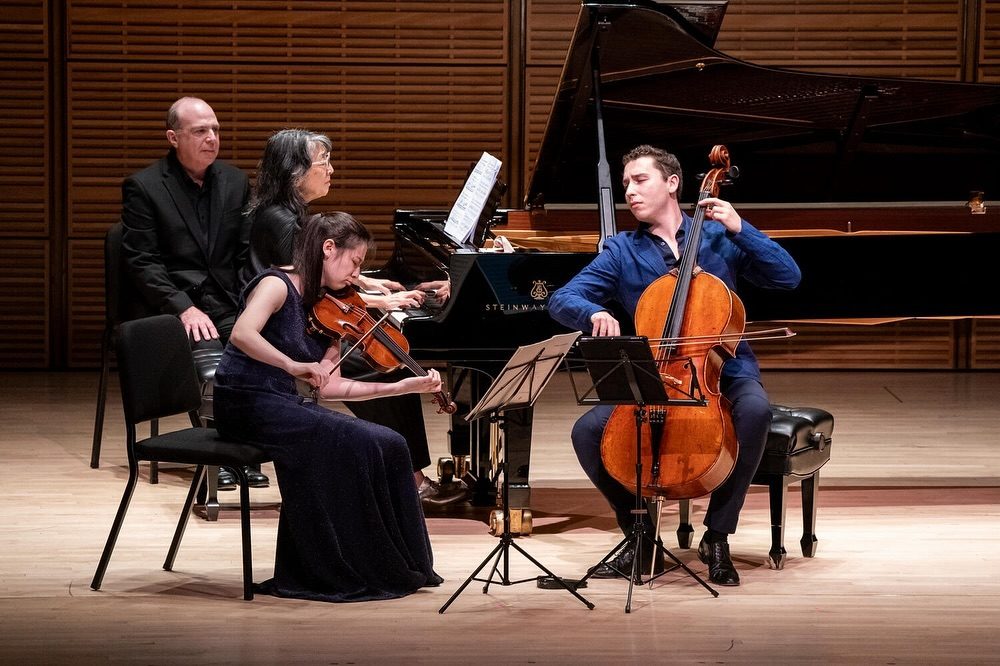
As a chamber musician, he returns regularly to ChamberFest Cleveland, Marlboro Music, Caramoor, and the St. Barts Music Festival. He has also appeared at the Schwetzinger SWR Festspiele, Moritzburg Festival, Rheingau Musik Festival, Ravinia, La Jolla SummerFest, and Philadelphia Chamber Music Society.
Recent highlights include a North American tour with Mitsuko Uchida and musicians from Marlboro Music, a return to Carnegie Hall with Kirill Gerstein, and a performance at the Tonhalle Zürich with Julia Fischer. Other collaborators include Janine Jansen, Tabea Zimmermann, and Martin Helmchen.
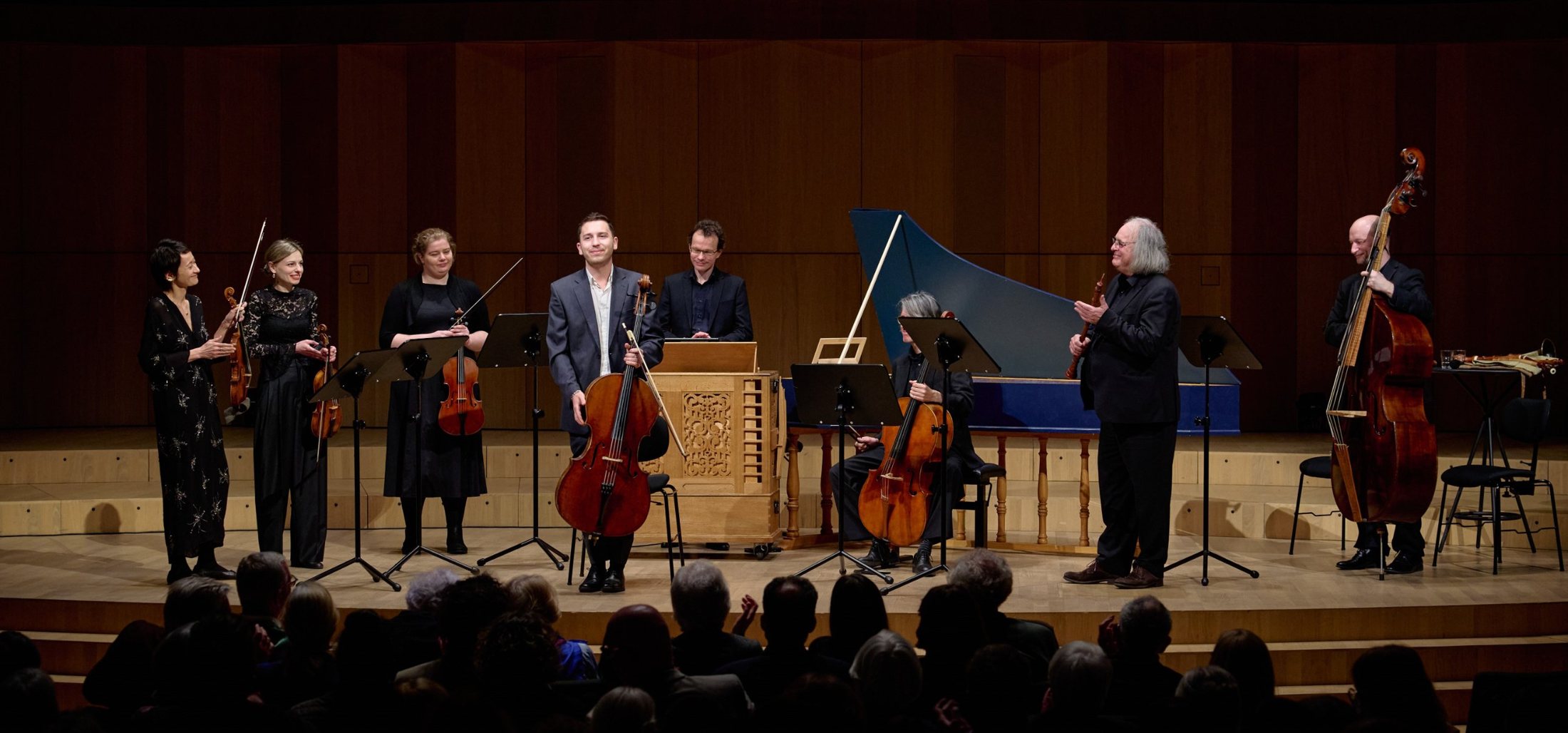
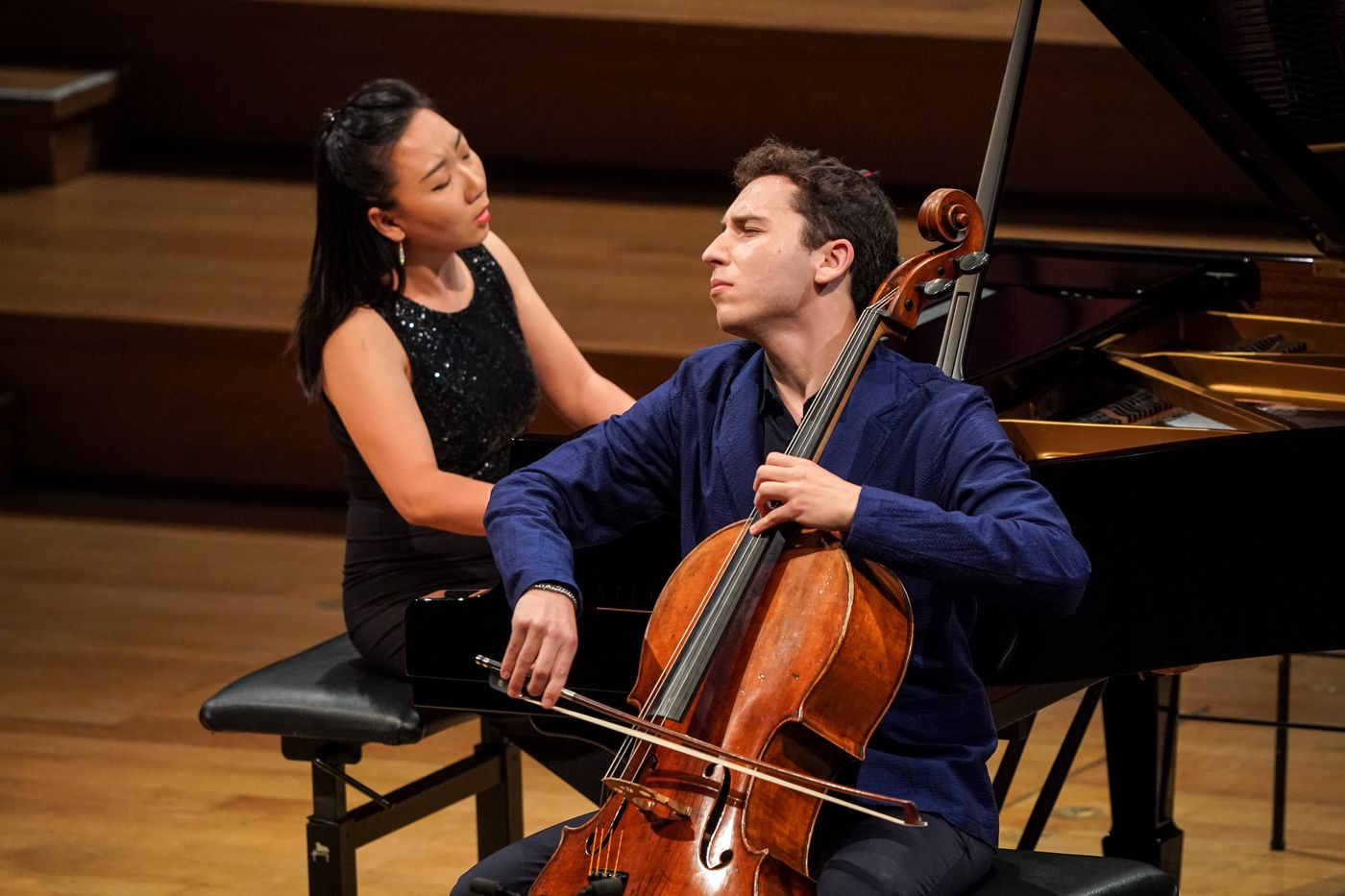
Oliver approaches his work with a wide-ranging curiosity, exploring lesser-known repertoire, music of today, and connections that reveal new perspectives on familiar works. He has performed complete cycles of the Bach suites and Beethoven sonatas, the latter also on historical instruments with Arash Rokni, and the music of Paul Desenne has become an ongoing focus.
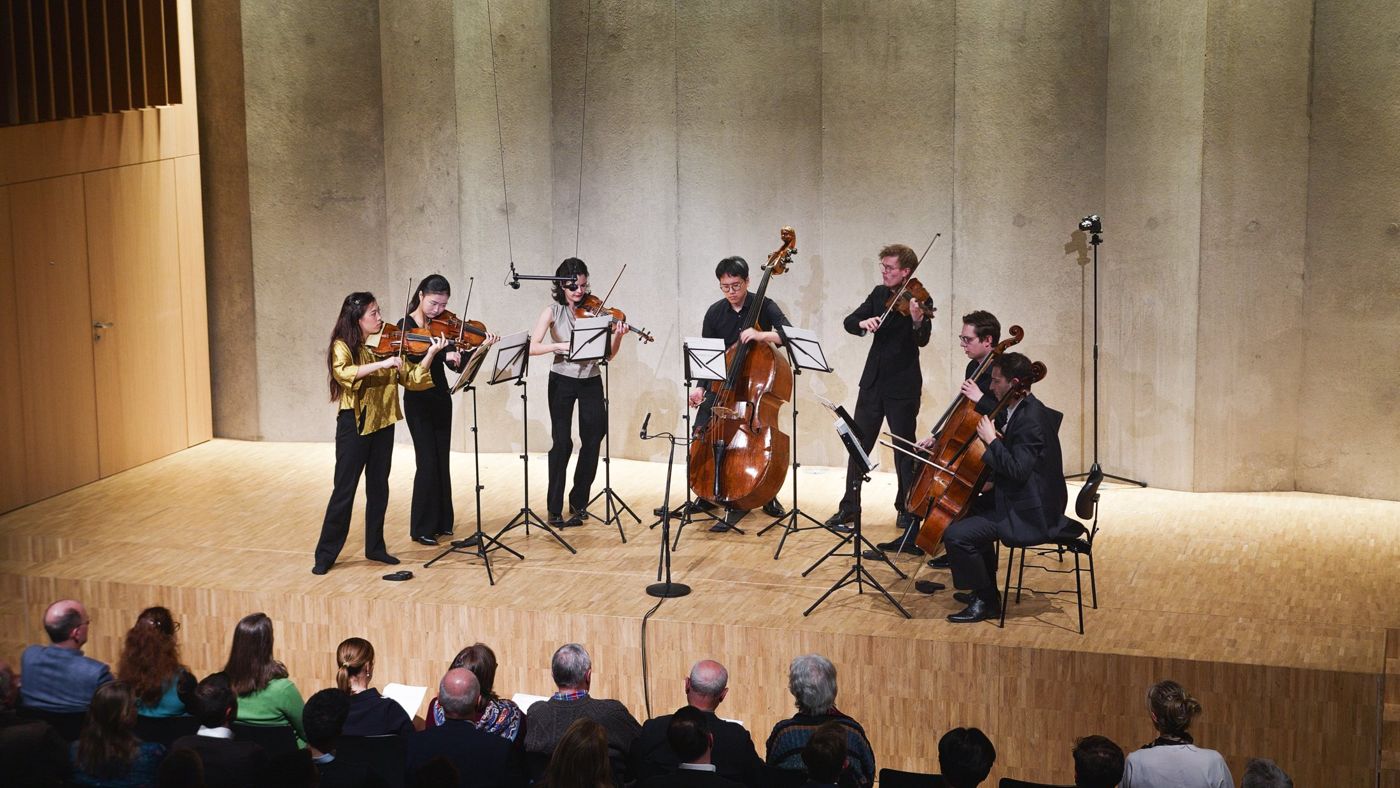
His recent projects include Wie Bitte? (2026), a concert about repetition and re-hearing with music by Bach, Helena Winkelman, Andrew Moses, and John Adams, as well as concert curations for Deutschlandfunk’s Raderbergkonzerte and the TICA Festival in Hong Kong. He has premiered works by composers including Andrew Moses, Žibuoklė Martinaitytė, Chelsea Komschlies, and Helena Winkelman, among them Moses’ Absconditus and Ecstatic Immanence, which he commissioned.
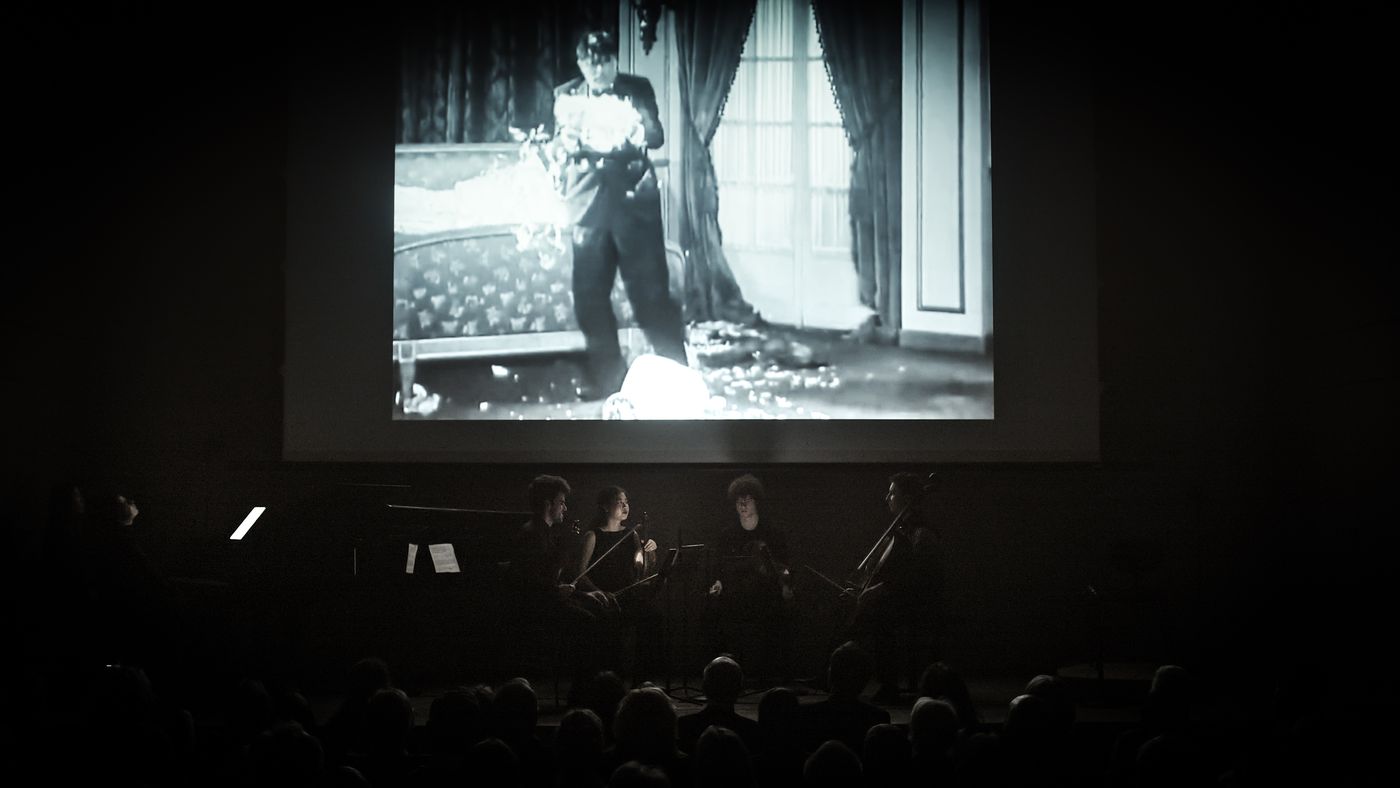
His interdisciplinary work includes Pressure / Druck, a program about the pursuit of power that set music by Hindemith, Shostakovich, and Schoenberg alongside literary texts and silent film scenes prepared with filmmaker Mimi Pfahler, a continuation of their earlier collaboration around Janáček’s Pohádka.
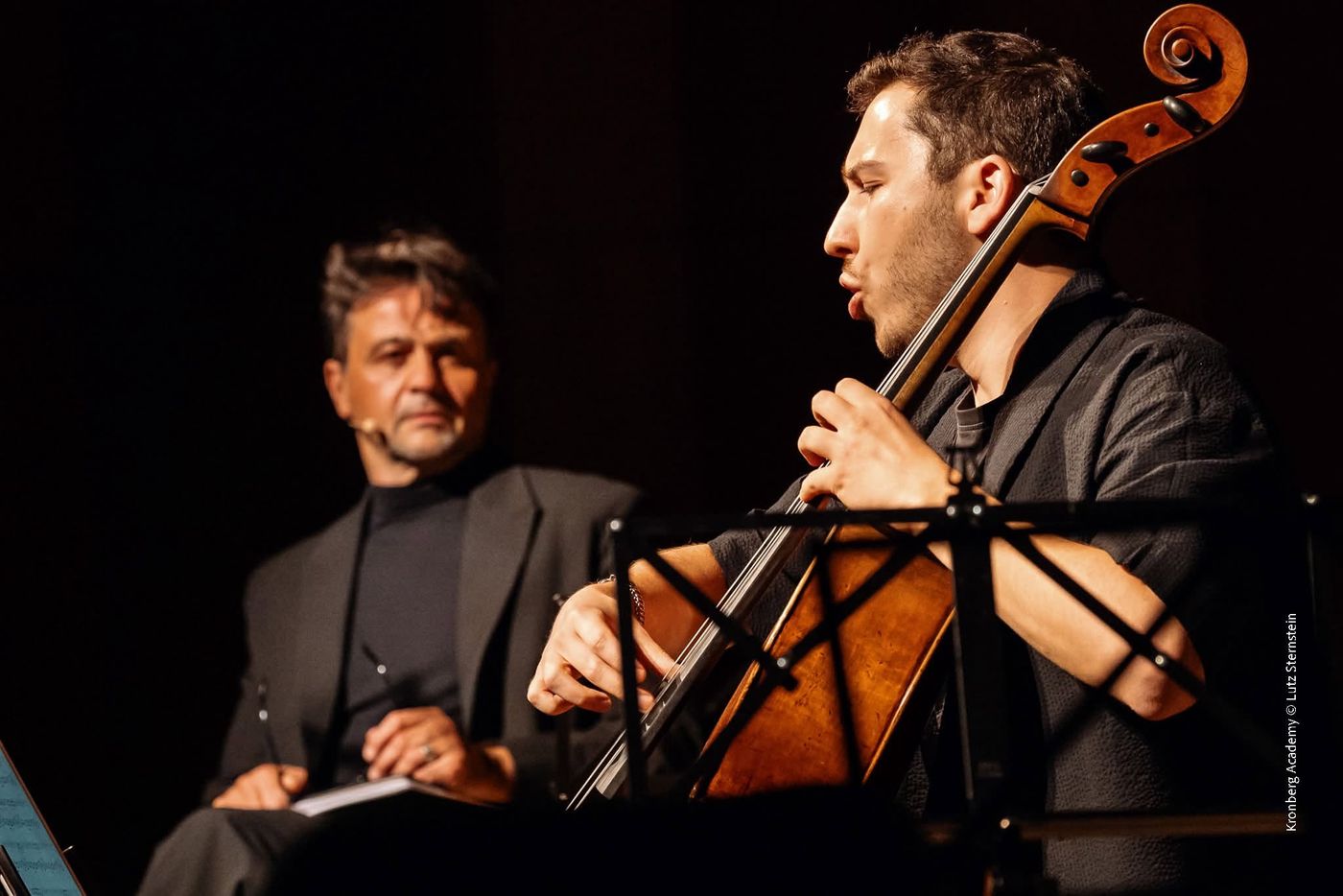
For the 2026 Kronberg Festival he curated a program on the theme of courage with actor Michael Rotschopf, with music by Dawn Avery, Xenakis, and Henze. At New World Symphony, he performed Julius Eastman’s The Holy Presence of Joan d’Arc with the orchestra’s cello section and Kyle Marshall Choreography.
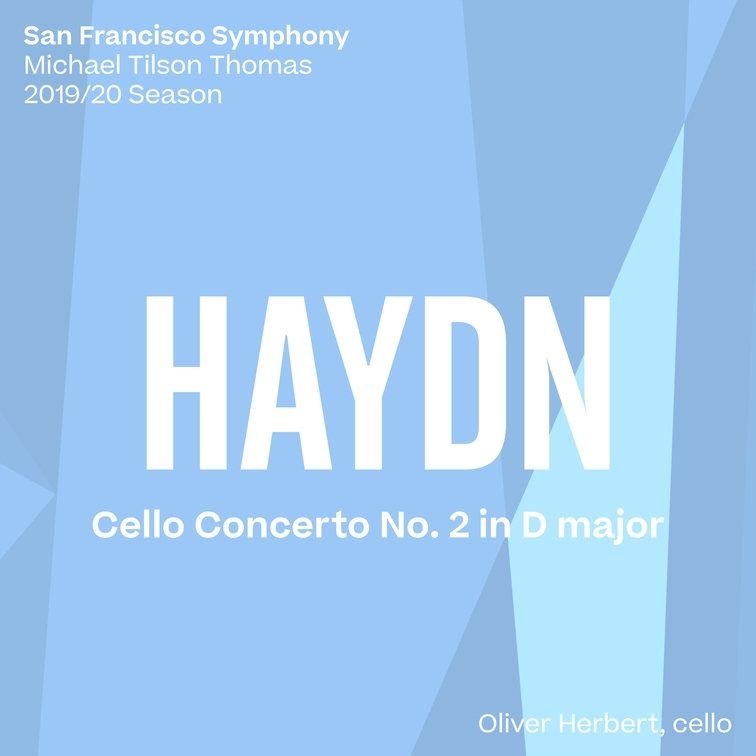
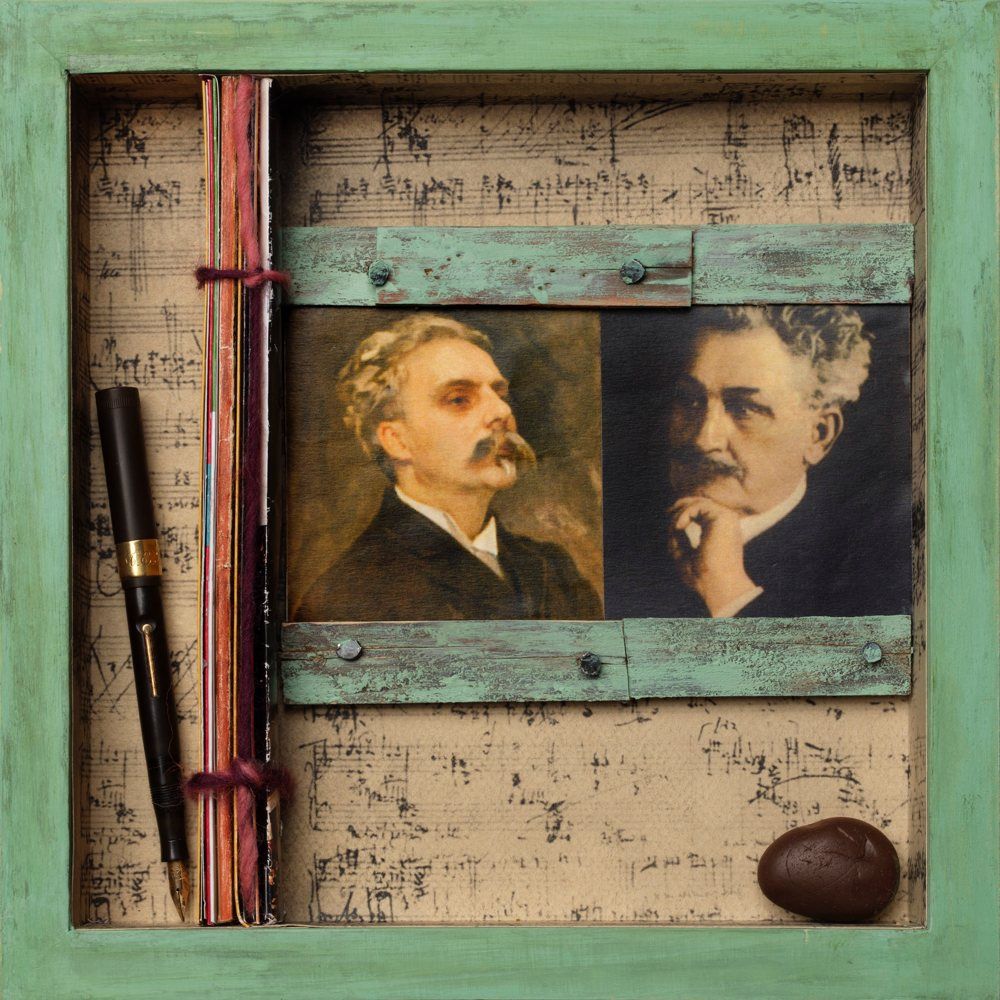
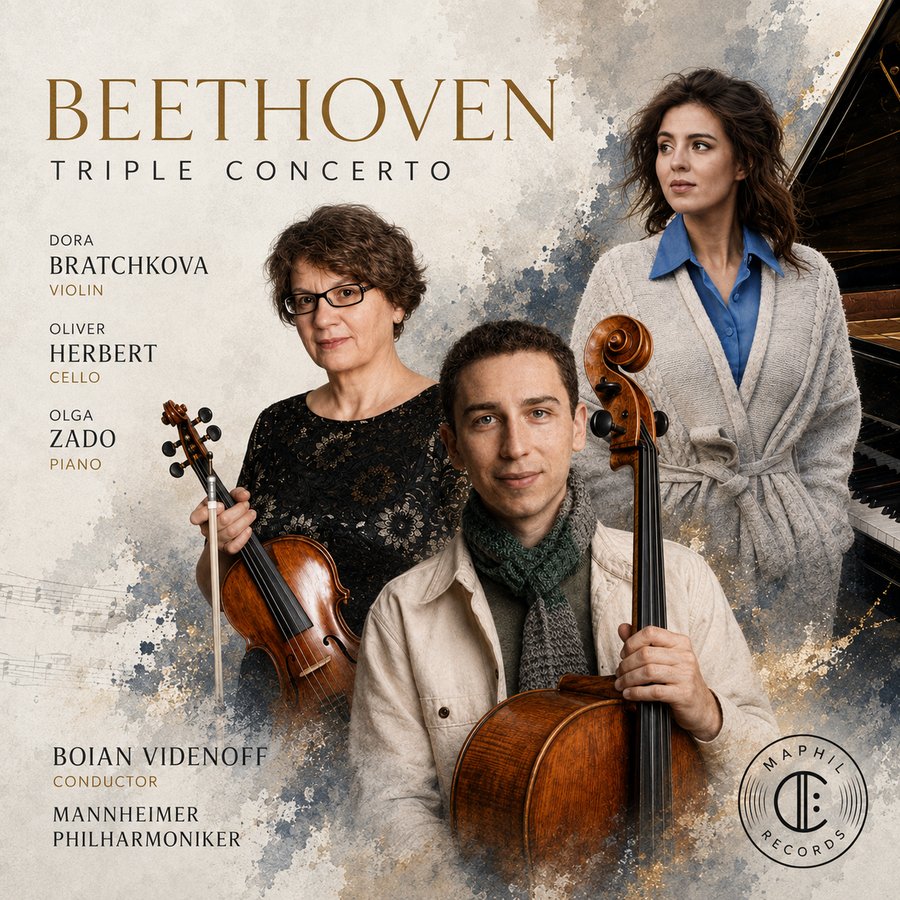
Oliver’s recordings include Haydn’s Cello Concerto in D major with the San Francisco Symphony and Michael Tilson Thomas, released by Warner Classics as part of highlights from Tilson Thomas’s final season as music director. His debut album with pianist Xiaohui Yang, Frame of Mind (2020), pairs the two cello sonatas of Gabriel Fauré with Leoš Janáček’s Pohádka (Fairy Tale). In 2026 the Mannheimer Philharmoniker released his recording of Beethoven’s Triple Concerto with violinist Dora Bratchkova, pianist Olga Zado, and conductor Boian Videnoff.
He has been featured on PBS’s Now Hear This, NPR’s From the Top, WQXR, and German radio including WDR, Deutschlandfunk, HR, and ARD, as well as the interview series Living the Classical Life.
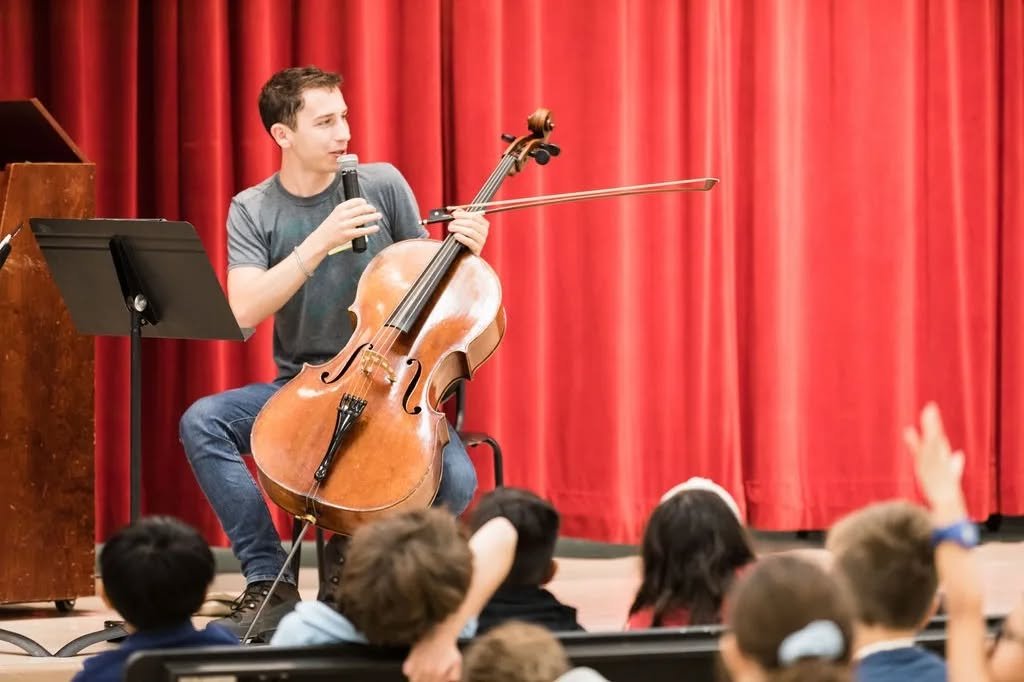
In addition to regular teaching and performances in public schools, he has given masterclasses across the US and abroad, at institutions including Brown University and Hong Kong University, and has mentored young chamber musicians at the YARO Exzellenz Forum in Rostock and the Janigro Festival. In 2027 he will be a chamber music mentor for Kronberg Academy’s Mit Musik – Miteinander.
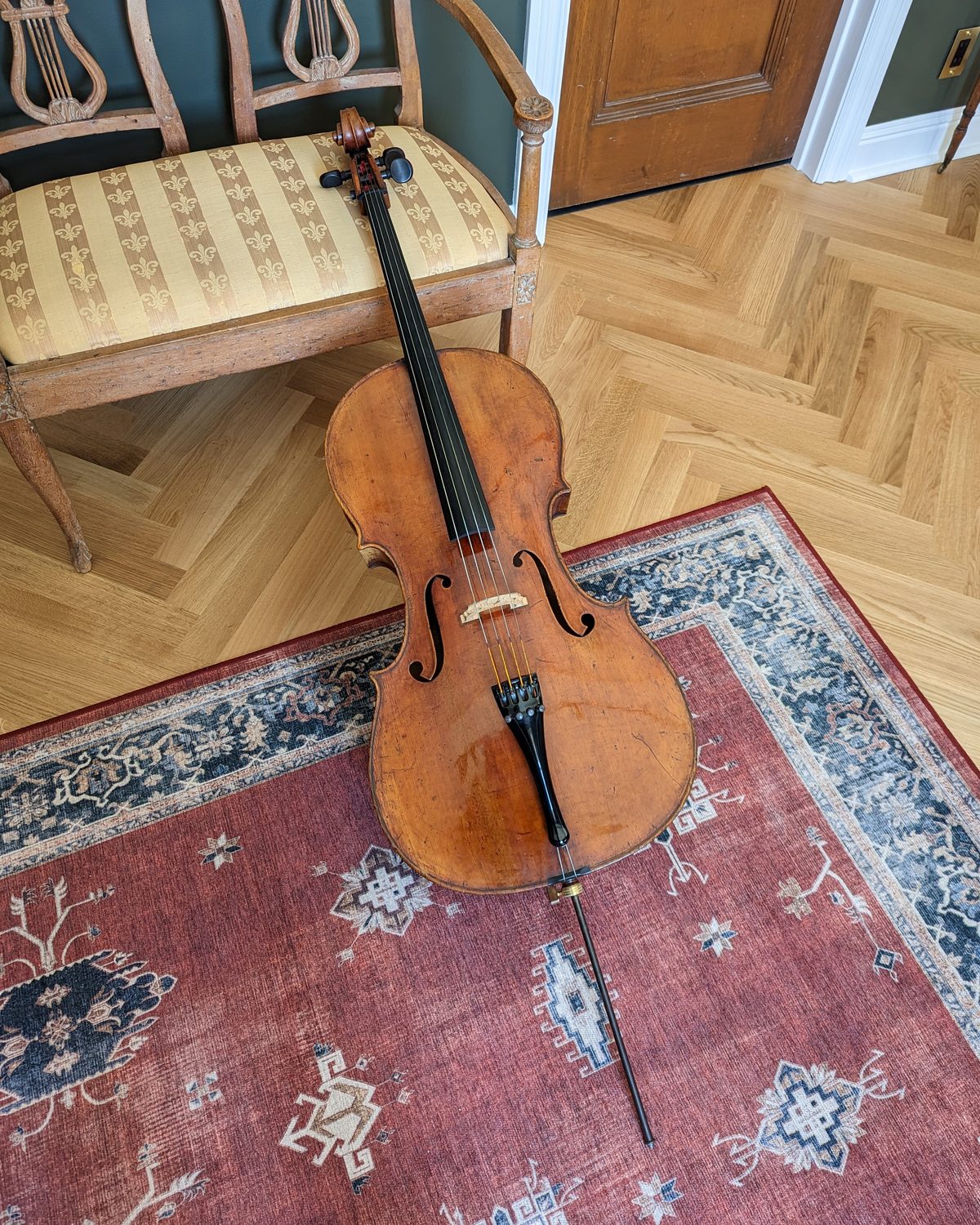
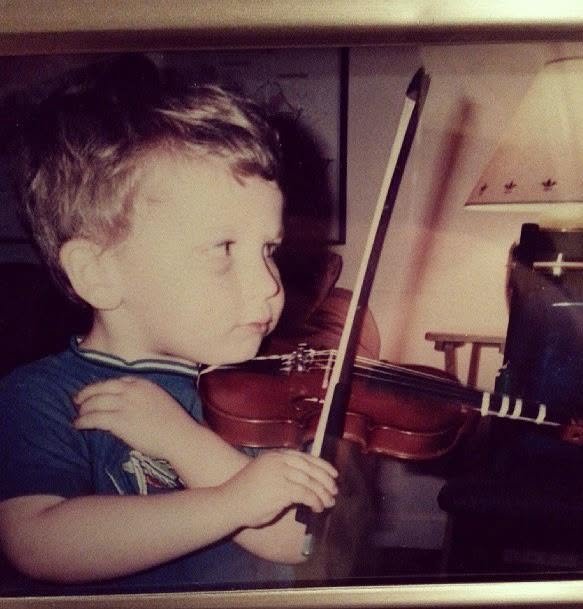
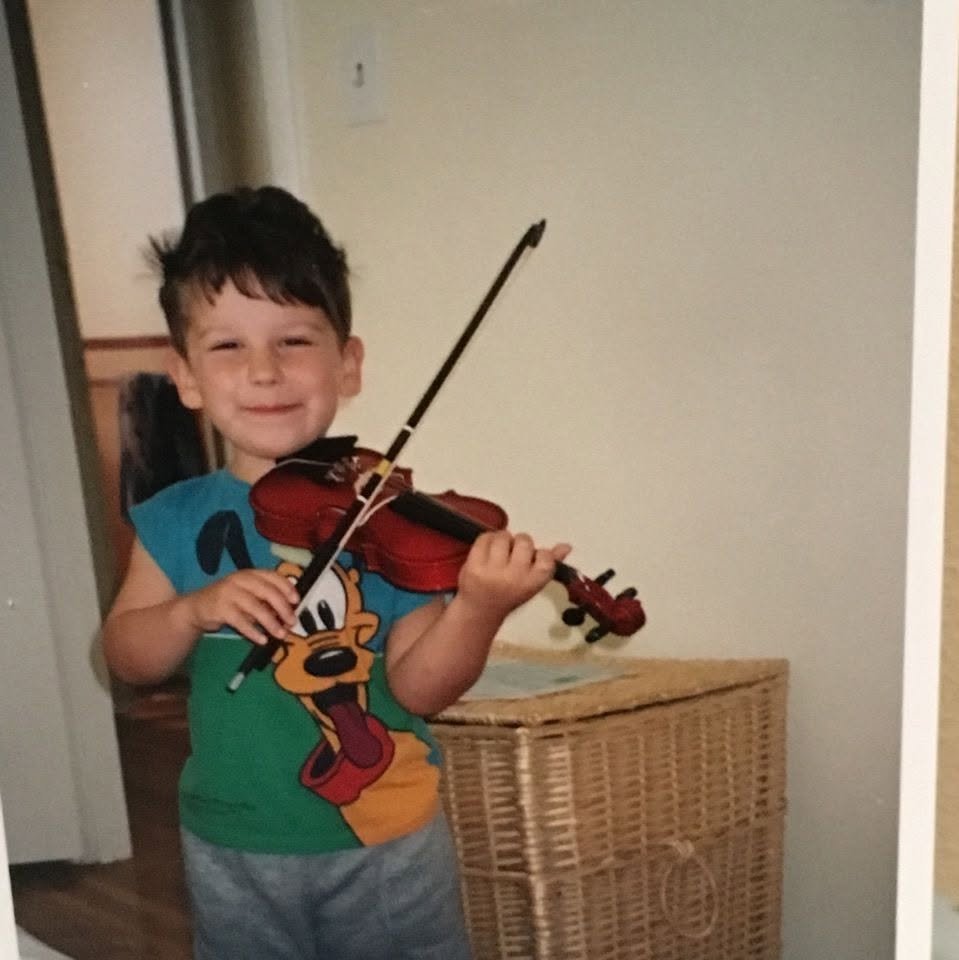
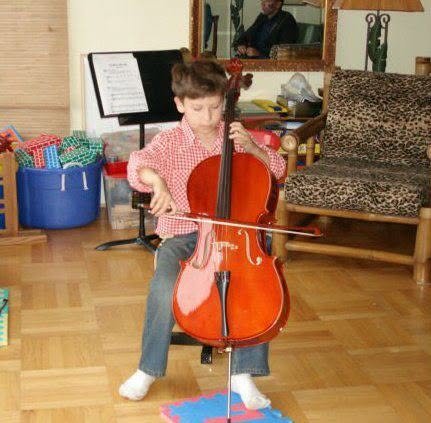
Born into a family of musicians in San Francisco, he studied with Clive Greensmith at the Colburn School and with Carter Brey, Pamela Frank, and Peter Wiley at the Curtis Institute of Music. Early recognition came when he was invited, through open audition, to perform Strauss’s Don Quixote on the Chicago Symphony Orchestra’s Family Matinee Series. He performed the work the same season with the Curtis Symphony Orchestra, and the Philadelphia Inquirer praised playing that took on “deeply moving vocal inflections in extreme ranges” with “all the depth of an established soloist.”
In 2026 he completed the Professional Studies Program at Kronberg Academy, where he studied with Frans Helmerson with the support of the Nanno Lenz Patronage. He plays a Guadagnini cello that once belonged to the Italian cellist Antonio Janigro, on loan from the Janigro family.
“His exceptional virtuoso playing… made clear the reasons for his ascent… The performance as a whole was a masterclass in pained, discordant music played beautifully.”
“He was a knockout. His technical command, full-throated but never indulgent tone, crisp yet expressive phrasing, and tactful use of vibrato flowed together… Herbert found drama in something as simple as a four-step rise in the Adagio.”
“A generous and beautifully light-footed performance… even more impressive were the dexterity and sweetness that Herbert brought to his assignment.”
“A soulful and poignant interpretation… Herbert impressed both technically and dramatically, excelling in the moments of Slavic lyricism as well as in the intimate Adagio.”
“Consistently beguiled the ear with his nimble and individual phrasing, often making hairpin dynamic turns that always sounded convincing.”
“He indeed plays with all the depth of an established soloist… Herbert’s playing took on deeply moving vocal inflections in extreme ranges, from a low of unusual richness to a delicate high.”
“An expansive tone, rich and full yet strikingly clear… punctuated by crisp articulation and impressive spiccato.”
“One hallmark of an excellent performance is the new insight it can give to a familiar piece of music. Herbert and Yang’s performance of Beethoven’s first cello sonata… did just that.”
“Herbert honored Bach’s intentions as few other cellists do these days… It was a triumphant mini-marathon of Bach played with stunning virtuosity and admirable endurance.”
“An artist of great skill, with a silken tone, nimble fingers and an ability to play at the volume of a whisper with supreme control.”
“The increasingly agitated cello lines culminated in a hard-driving cadenza, dispatched with dashing bravura by Herbert.”
“Throughout the performance, Herbert tested the limits of the cello’s softest dynamics, pulling the listener in. The performance was transfixing.”
For the official biography and high-resolution photos, please get in touch.